
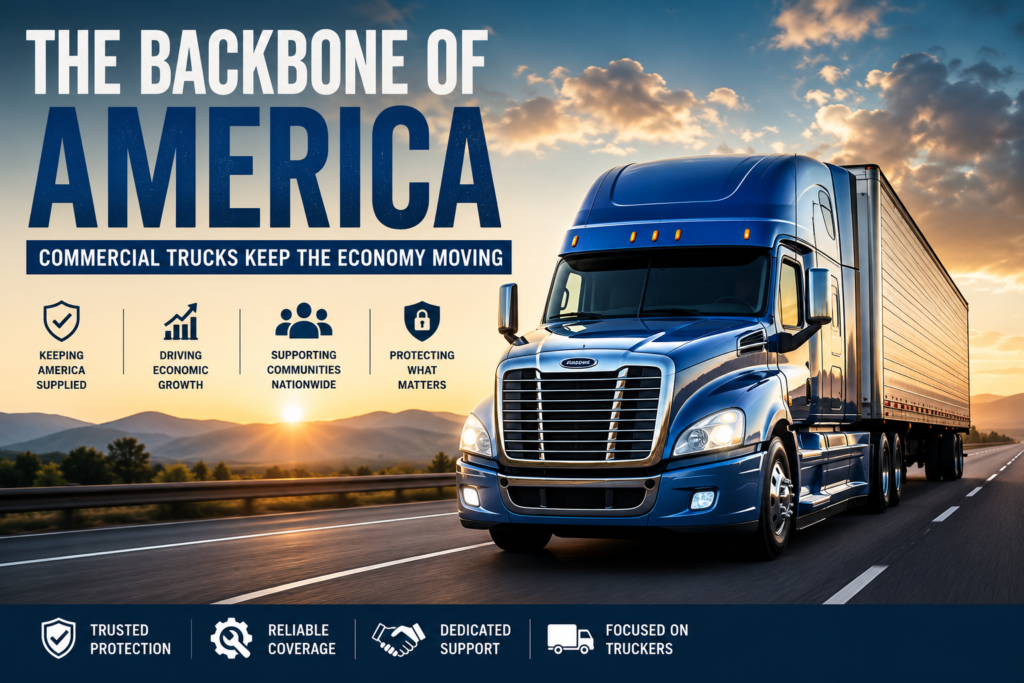
Commercial trucks are the lifeblood of modern commerce. Every day, millions of trucks travel highways and city streets to transport essential goods that keep businesses operating and communities supplied. From fresh groceries and medical equipment to construction materials and consumer products, commercial trucks make it possible for products to reach their destinations safely and on time.
Without the trucking industry, supply chains would come to a standstill, store shelves would empty, and businesses across the country would struggle to meet customer demand. Whether you own a single truck or manage an entire fleet, understanding the importance of commercial trucking can help you appreciate its role in the economy and make informed business decisions.
What Is a Commercial Truck?
A commercial truck is a vehicle designed primarily for transporting goods or providing business-related transportation services. Unlike personal vehicles, commercial trucks are built to carry heavy loads, travel long distances, and meet strict safety and regulatory standards.
Commercial trucks are used in a wide range of industries, including:
- Retail and e-commerce
- Construction
- Agriculture
- Manufacturing
- Oil and gas
- Healthcare
- Food and beverage distribution
- Waste management
- Logistics and freight transportation
These vehicles are essential for moving products between manufacturers, warehouses, distribution centers, and customers.
Types of Commercial Trucks
Different industries require different types of commercial trucks. Choosing the right vehicle depends on the cargo, distance, and operating conditions.
1. Semi-Trucks (Tractor-Trailers)
Semi-trucks are the most recognizable commercial vehicles on American highways. They are designed for long-distance freight transportation and can haul large trailers carrying thousands of pounds of cargo.
Common uses include:
- Retail deliveries
- Manufacturing goods
- Consumer products
- Interstate freight
2. Box Trucks
Box trucks are commonly used for local deliveries and moving services. Their enclosed cargo area protects goods from weather and theft.
Ideal for:
- Furniture delivery
- Appliance transportation
- Local business deliveries
- Package distribution
3. Flatbed Trucks
Flatbed trucks feature an open cargo platform, making them suitable for oversized or irregularly shaped loads.
Common cargo includes:
- Steel beams
- Lumber
- Heavy machinery
- Construction materials
4. Refrigerated Trucks
Also known as reefer trucks, refrigerated vehicles maintain temperature-controlled environments for sensitive products.
Typical cargo includes:
- Fresh produce
- Frozen food
- Pharmaceuticals
- Dairy products
5. Dump Trucks
Dump trucks are widely used in construction, mining, and infrastructure projects.
They transport:
- Sand
- Gravel
- Dirt
- Asphalt
- Demolition debris
The Importance of Commercial Trucking
Commercial trucking supports nearly every sector of the economy. Businesses depend on reliable transportation to keep products flowing through the supply chain.
Key benefits include:
Reliable Freight Transportation
Commercial trucks provide flexible transportation services across cities, states, and rural communities. Unlike rail or air freight, trucks can deliver directly to warehouses, stores, and customer locations.
Economic Growth
The trucking industry creates millions of jobs, including:
- Truck drivers
- Fleet managers
- Dispatchers
- Mechanics
- Warehouse workers
- Logistics coordinators
These jobs contribute significantly to local and national economies.
Supply Chain Efficiency
Modern supply chains rely on fast and dependable transportation. Commercial trucks help reduce delays and ensure products reach customers on schedule.
Business Expansion
Reliable trucking enables businesses to expand into new markets, serve more customers, and improve overall profitability.
Challenges Facing the Trucking Industry
Despite its importance, the commercial trucking industry faces several ongoing challenges.
Driver Shortages
Many companies struggle to recruit qualified commercial drivers. This shortage can increase delivery times and transportation costs.
Rising Fuel Prices
Fuel is one of the largest operating expenses for trucking companies. Fluctuating diesel prices can significantly affect profit margins.
Maintenance Costs
Commercial trucks require regular inspections, preventive maintenance, and repairs to remain safe and compliant.
Government Regulations
Federal and state regulations require trucking companies to comply with:
- Hours of Service (HOS)
- Driver qualification standards
- Vehicle inspections
- Weight limits
- Safety requirements
Staying compliant is essential for avoiding penalties and maintaining safe operations.
Weather Conditions
Snow, heavy rain, hurricanes, and extreme temperatures can disrupt deliveries and increase accident risks.
Why Commercial Truck Insurance Matters
Every commercial truck faces risks on the road. Accidents, theft, cargo damage, and lawsuits can result in significant financial losses without proper insurance coverage.
Commercial truck insurance helps protect businesses from unexpected expenses and provides peace of mind.
Common coverage options include:
- Primary Liability Insurance
- Physical Damage Coverage
- Cargo Insurance
- General Liability Insurance
- Non-Trucking Liability
- Bobtail Insurance
- Trailer Interchange Coverage
- Motor Truck Cargo Coverage
- Uninsured and Underinsured Motorist Coverage
Choosing the right insurance policy depends on your business type, cargo, operating radius, and fleet size.
Tips for Running a Successful Trucking Business
Whether you’re an owner-operator or managing a fleet, these best practices can improve efficiency and profitability.
Prioritize Preventive Maintenance
Routine inspections help reduce costly breakdowns and extend vehicle lifespan.
Invest in Driver Safety
Provide ongoing training and encourage defensive driving techniques to reduce accidents and insurance claims.
Use Fleet Management Technology
GPS tracking, telematics, and route optimization software improve fuel efficiency and delivery performance.
Monitor Fuel Consumption
Fuel-efficient driving habits and regular maintenance can significantly reduce operating costs.
Stay Organized
Maintain accurate records for maintenance, inspections, licensing, insurance, and driver qualifications.
Build Strong Customer Relationships
Reliable communication and on-time deliveries help build trust and generate repeat business.
The Future of Commercial Trucking
Technology is transforming the trucking industry. Fleet operators are increasingly adopting innovations such as:
- Electric commercial trucks
- Alternative fuel vehicles
- Advanced driver assistance systems (ADAS)
- AI-powered route optimization
- Electronic Logging Devices (ELDs)
- Predictive maintenance software
- Smart fleet management platforms
These technologies improve safety, reduce operating costs, and increase efficiency.
Sustainability is also becoming a priority. Many companies are investing in cleaner transportation solutions to reduce emissions while maintaining reliable freight services.
Final Thoughts
Commercial trucks are far more than large vehicles on the highway—they are the foundation of America’s supply chain and economy. Every shipment delivered on time supports businesses, creates jobs, and ensures communities have access to the products they need.
For trucking companies, owner-operators, and fleet managers, success depends on maintaining safe vehicles, hiring qualified drivers, embracing technology, and securing comprehensive commercial truck insurance. By investing in proper risk management and efficient operations, trucking businesses can remain competitive in an evolving industry.
As demand for freight transportation continues to grow, commercial trucking will remain one of the most essential industries in the United States. Whether you’re transporting goods across the country or making local deliveries, your trucks play a vital role in keeping commerce moving every single day.